Loading ranch…


Lot 170
$79,620
$4,995/acre
15.94 acres · Tortuga Ranch29 of 48 tracts left · 3 sold in the last 30 days
Seasonal DrawLevel TerrainHeavy MesquiteExisting Ranch RoadOwner Finance
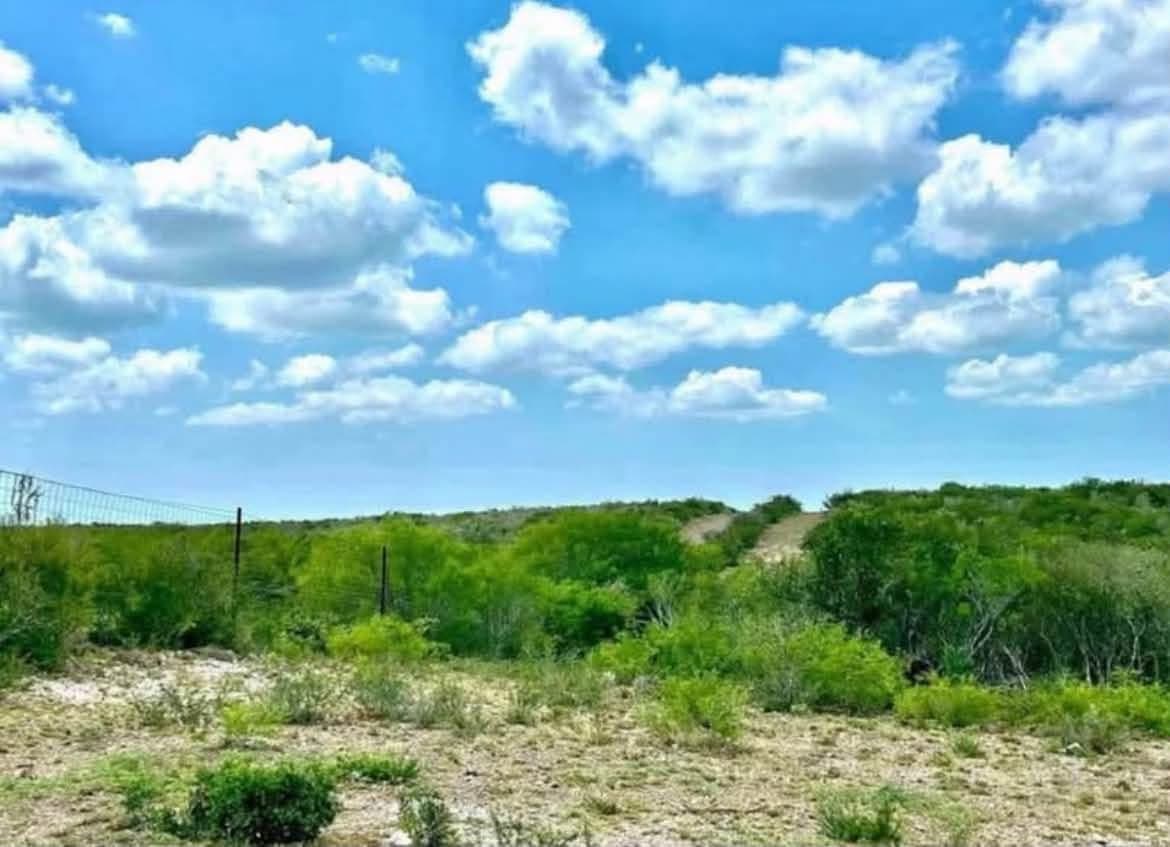
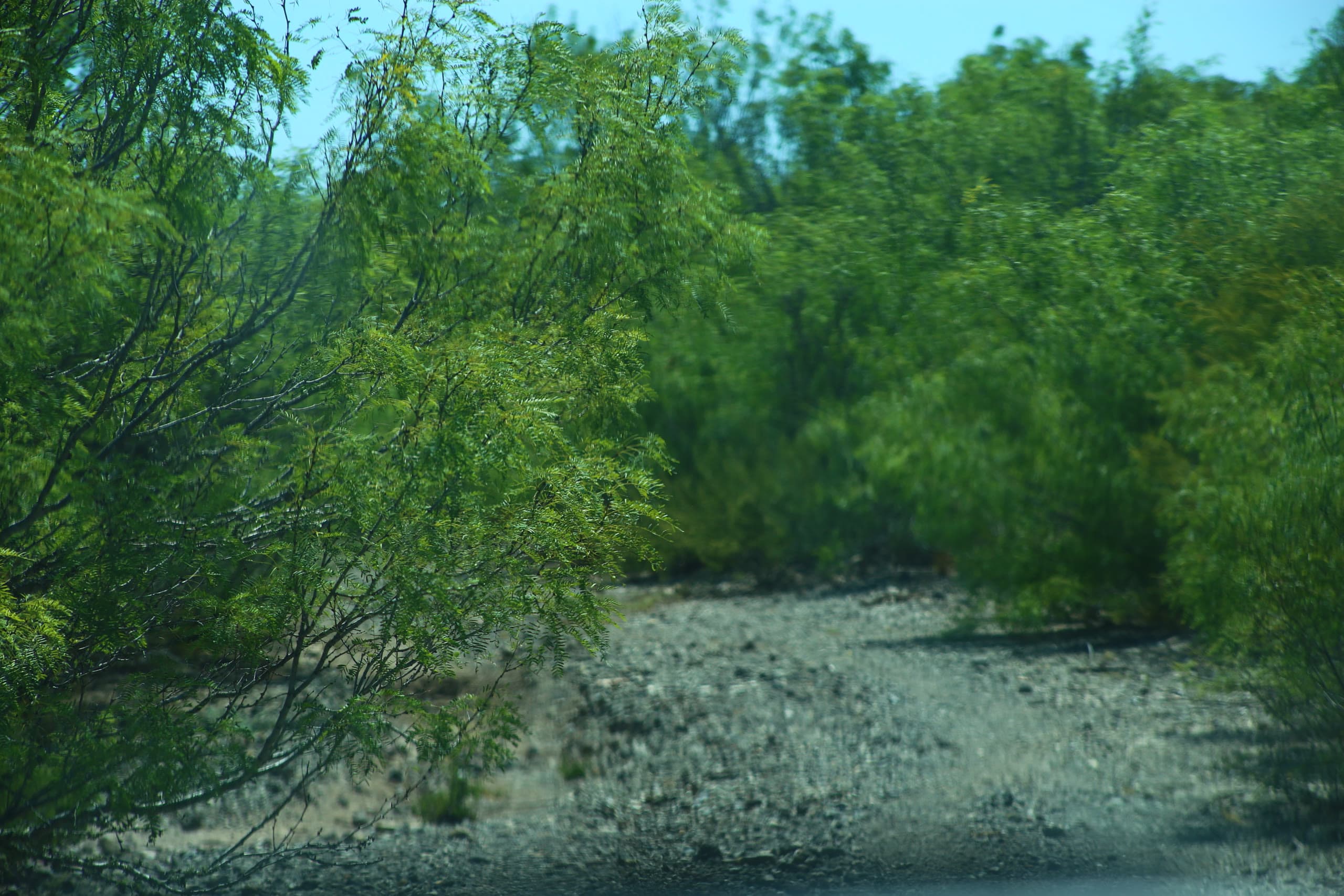
Some tracts sell you a view. Not this one. What these 15.94 acres do best is grow thorn, and grow it thick: mesquite and huisache shoulder to shoulder across nearly all of it, the sort of thicket a whitetail can stay inside all day and never show himself. Of the ranch land for sale on Tortuga Ranch, Tract 170 leans harder into that than most, and Duval County was famous for thorn country before it was famous for anything else.
The one break in the thicket is water's doing. A draw enters at the northeast corner and cuts across the tract to the south edge, close to 770 ft of it, sandy-bottomed and sitting lower than everything around it. It carries after a rain and it dries between them, the way creeks in this part of Texas do, so count it as drainage and a travel lane rather than as water you can lean on. Game uses it. That is what a draw is worth here: deer take the low route because it is the easy route, quail favor the thinner edges alongside it, and if you ever put up a blind or a feeder on this place, the bend is where I would start looking.
Flat, near enough. There is some 6 ft of fall from one corner to the other, which in practice means a pickup will take you anywhere on it and a pad can go wherever the thicket allows. Somebody already bladed a lane in, loose sand and caliche underfoot, wide enough for a truck and pinching at the shoulders where mesquite is taking it back. Clearing is simple here. A blade and a couple of days would give you a lane where you want one and leave the bulk of the tract as thick as you found it, which is the whole reason to buy a piece like this.
The country around it is South Texas thorn brasada in the old sense. Vaqueros were running stock on Spanish land grants in this county by 1815, before Texas was Texas, and by the 1880 census the tally reportedly counted nearly 197,000 sheep here, more than any county in America. Land that has fed herds that many generations grows thicket as readily as grass. That history is why the mesquite stands the way it does today.
It is oil country too, and I will not dress that up. Caliche pads and graded gravel thread this part of the ranch, a pumpjack sits fenced in its own yard near the road with a tank next to it, and gathering pipe shows at the surface here and there. Oilfield traffic has been part of this county for a century. One practical upside is that somebody keeps a blade on the caliche. There are utility poles along the roads out here as well; what it would take to bring service to this particular tract is a question for us and the provider before you build a plan around it.
Every tract on this 2,155-acre ranch has been surveyed, and your route in on the ranch roads is recorded in the deed rather than borrowed from a neighbor. Restrictions are kept light. We carry the financing ourselves, and 5% up front will start it, with the rest of the terms printed alongside this listing. Ask us how the ag valuation is handled before you pencil out your taxes, and we will tell you straight what we know and what you will need to confirm with the county.
The time to see it is after a rain, when the draw shows what it does and the mesquite is green to the tips. Bring gloves and sleeves you do not mind snagging. Call us and we will meet you at the caliche turn, drive you in to the northeast corner where the draw starts, and follow it on foot across the tract to the far edge so you can read the sand for yourself.
Where Lot 170 sits
Similar lots
Lot 170 — common questions
- Is Lot 170 at Tortuga Ranch still available?
- Yes — Lot 170 is listed and openly available at $79,620. Inventory moves; booking an appointment or calling (830)-307-7533 is the fastest way to hold your place.
- Can I buy Lot 170 at Tortuga Ranch with owner financing?
- Ask us — Guadalupe Ranch Co. is the owner-seller and finances most tracts in-house with low down payments and no bank qualifying. Call (830)-307-7533 for this lot's options.
- How big is Lot 170 at Tortuga Ranch and where is it?
- Lot 170 is 15.94 acres at Tortuga Ranch in DUVAL County, Texas. It's surveyed with deeded access on graded ranch roads.
- Can I walk Lot 170 at Tortuga Ranch before buying?
- Yes — book an appointment right from this page (takes about a minute) or call (830)-307-7533. A guide who knows the ranch will meet you at the gate and walk the corners with you.