Loading ranch…

Lot 185
$75,774
$4,995/acre
15.17 acres · Tortuga Ranch29 of 48 tracts left · 3 sold in the last 30 days
Existing Ranch RoadLevel TerrainHeavy CoverDeeded AccessOwner Finance
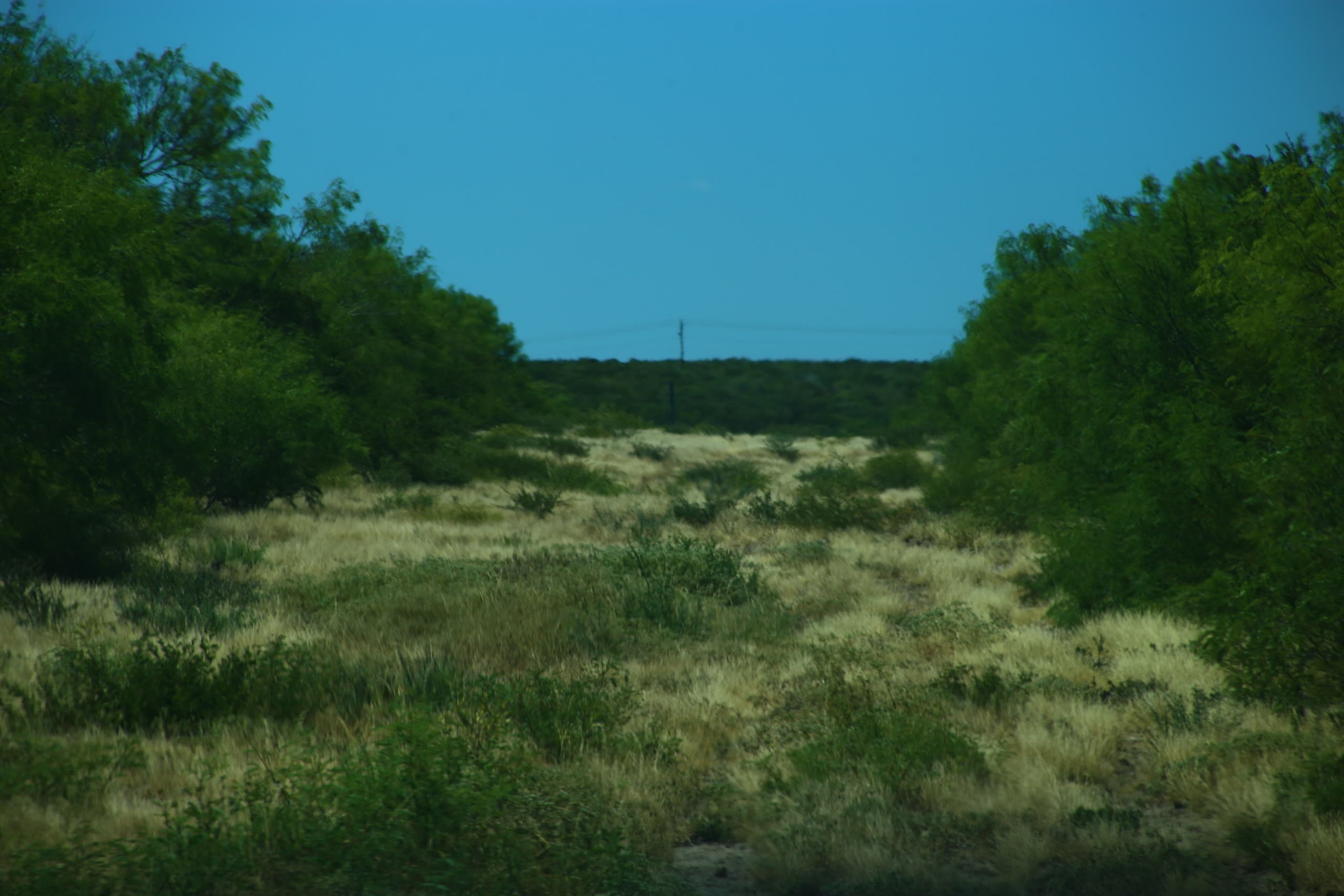
Plain land asks a plain question, and it asks it the minute you step out of the truck: what do you intend to make of it? Tract 185 won't answer that for you. What it puts under your feet is 15.17 acres of ranch land for sale on Tortuga Ranch in Duval County, level nearly corner to corner, grown up in mesquite and huisache thickets with pale grass lanes opening between them where the sun reaches the dirt. Nothing fancy here. For a certain buyer that's the whole draw, because simple land is cheap to hold, easy to figure out, and yours to shape at whatever pace suits you.
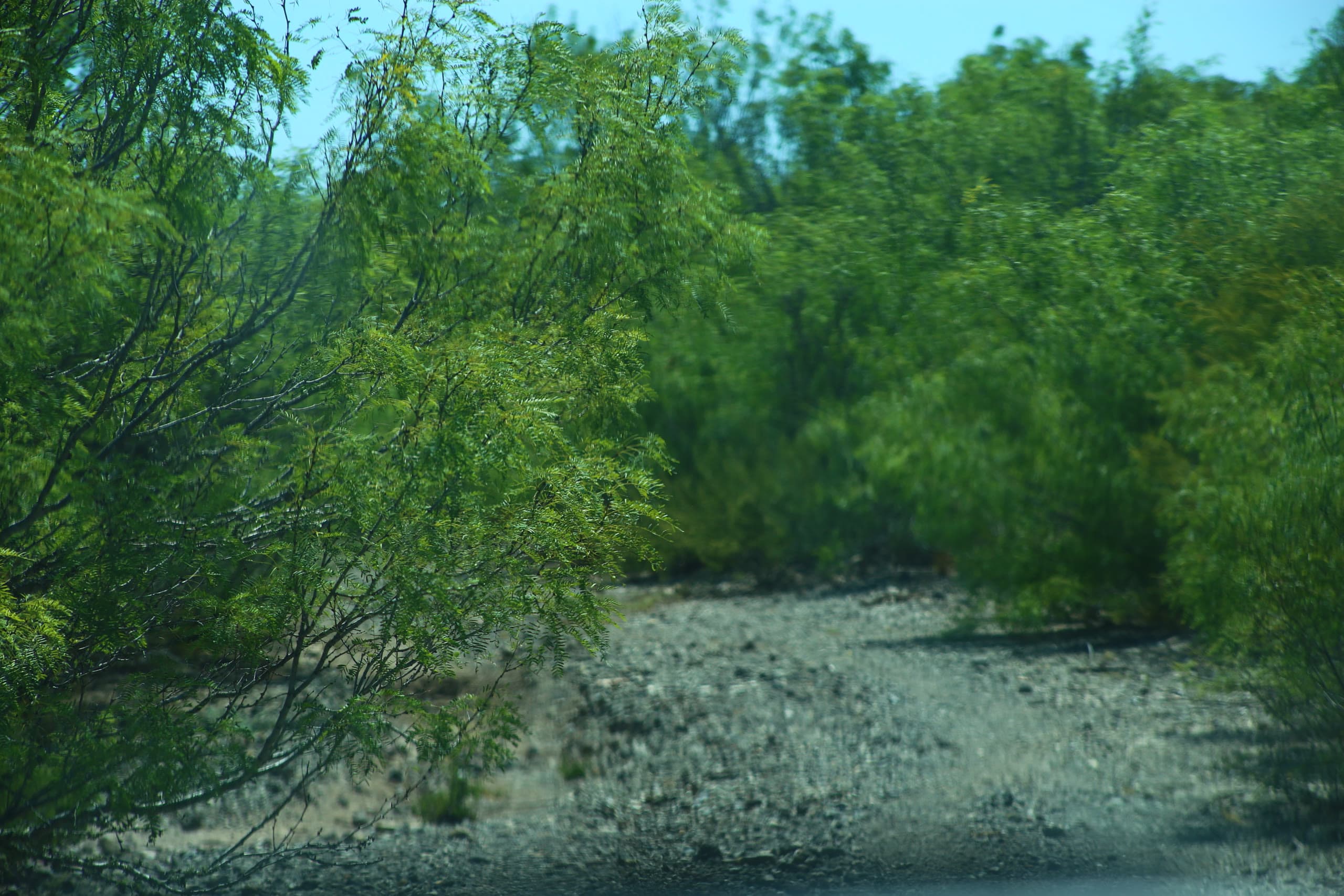
Better than a quarter mile of dirt ranch road already lies across the place. It enters at the western edge and bends out at the southeast corner, which means the first afternoon it's yours you can drive most of the length of it instead of cutting a path. Grass has crept into the middle of it in stretches. A truck and a few passes bring that back. That existing road is where you'd haul in a trailer, set a feeder, or pull a line of posts, and it spares you the expense that usually eats the first year on raw acreage.
The whole tract falls maybe 13 ft end to end, so you aren't fighting a slope anywhere on it. Level land is a practical thing to own. A pad sits where you want it rather than where the contour allows it, a trailer levels up in an afternoon, and a straight fence line doesn't cost you a cut bank. It also means the thicket, not the terrain, decides what you can see, so clearing a few openings in the mesquite is how most owners out here make their spot.
Get in among the thorns and there's more going on than a drive-by suggests. Granjeno hung with small orange berries, branches crusted pale with lichen, mesquite leafed out fine and green after a rain. That's bird feed and bedding both. This part of Texas made its name with quail and whitetail on exactly this sort of country, thick and thorny and full of edges, and the pale lanes between the thickets are the edges that matter most. Keep them mowed and you keep them useful.
The county's history is stock history. Vaqueros were pushing cattle across these Spanish land grants by 1815, two decades before Texas was Texas, and by the 1880s this same thornscrub reportedly carried more sheep than any county in America, near 197,000 head counted in the 1880 census. Land that fed that many animals for that many generations grows something even in a dry year. You can read it in the grass.
Every tract here was surveyed before it was offered, so your corners are set and your way in is written into the documents rather than into somebody's memory. Restrictions are light. We carry the note ourselves and 5% starts it, with the rest of the terms printed on this page where you can read them at your leisure. If ag or wildlife valuation matters to your plans, ask us and we'll tell you exactly where this tract sits.
Fall is the season to see it, once the grass has cured pale and the thickets have thinned enough to look fifty yards into them. Bring something with sleeves. We'll drive in on the dirt road at the western edge, follow it out to the southeast corner, stop where the openings are wide enough to picture a place, and you can pace off the rest at your own speed.
Where Lot 185 sits
Similar lots

Lot 185 — common questions
- Is Lot 185 at Tortuga Ranch still available?
- Yes — Lot 185 is listed and openly available at $75,774. Inventory moves; booking an appointment or calling (830)-307-7533 is the fastest way to hold your place.
- Can I buy Lot 185 at Tortuga Ranch with owner financing?
- Ask us — Guadalupe Ranch Co. is the owner-seller and finances most tracts in-house with low down payments and no bank qualifying. Call (830)-307-7533 for this lot's options.
- How big is Lot 185 at Tortuga Ranch and where is it?
- Lot 185 is 15.17 acres at Tortuga Ranch in DUVAL County, Texas. It's surveyed with deeded access on graded ranch roads.
- Can I walk Lot 185 at Tortuga Ranch before buying?
- Yes — book an appointment right from this page (takes about a minute) or call (830)-307-7533. A guide who knows the ranch will meet you at the gate and walk the corners with you.