Loading ranch…

Lot 243
$70,430
$4,995/acre
14.1 acres · Tortuga Ranch29 of 48 tracts left · 3 sold in the last 30 days
Rolling TerrainHeavy CoverDeeded AccessExisting Ranch RoadOwner Finance
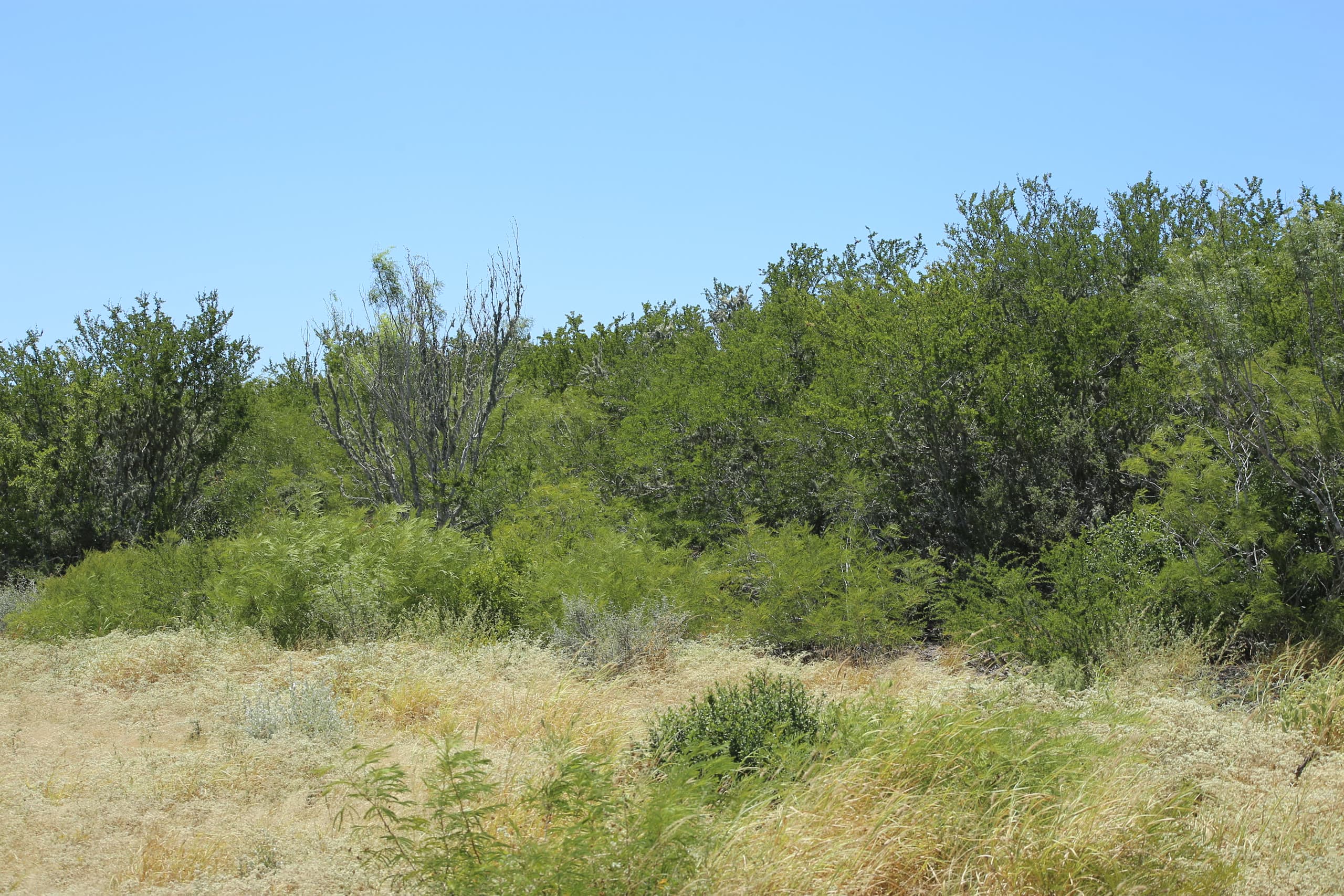
Get out here on a June afternoon and the sky is that hard, cloudless blue South Texas saves for early summer. Heat sits on the thicket. Wind pushes the mesquite and huisache until the whole hillside moves at once, pale underneath and green on top, and the grass in the openings leans with it like something alive. That's the first thing these 14.1 acres do to you. Tract 243 sits in the heart of Tortuga Ranch, and of all the ranch land for sale in Duval County, this is the sort of piece that makes you look twice before it shows you what it has.
The land lifts 45 ft across the tract, from 654 ft at the low end up to 699 ft at the crest. You feel it in your legs first. It isn't a mountain and nobody will tell you it is, but in thorn country that much relief is what decides where a two-track stays firm after a rain, where the breeze finds you in August, and where a person stops and thinks about putting something permanent. The rise is gradual and steady rather than broken, so the whole tract stays usable underfoot.
Mesquite and huisache carry most of it. Thick in places, thick enough you'll turn a shoulder to get past, with granjeno and thorny scrub knitting the understory into a screen a deer can vanish into in three steps. The openings still carry grass, cured pale gold by midsummer while the woody stuff stays green, and that mix of thicket and grass is exactly what a bird works. Look up at the older limbs and you'll find lichen hanging off them in gray beards, the mark of humidity riding in off the Gulf and of trees that have had years to grow into each other.
This county has been stock country for a very time. Vaqueros were running cattle on Spanish land grants here by 1815, two decades before Texas was Texas, and by the 1880 census the same thorn thickets reportedly carried more sheep than any county in America, near 197,000 head. The sheep are gone. What the thickets feed now is quail and whitetail, and the people who chase them know this stretch of the state by name.
On the practical end, the tract is surveyed, with your way in written on the ranch roads and into the deed rather than borrowed from a neighbor. The recorded survey and the plat govern where your corners fall, and we'll show you both. Restrictions here are light, which means you can build a shooting house, clear a pad, or leave the whole 14.1 acres in thicket and let it be what it already is. Ask us how the tract is currently valued for taxes and what it takes to keep an agricultural or wildlife valuation in place, and we'll give you a straight answer. Owner financing is simple, as as 5% and we carry the note ourselves.
The best time to see it is a few days after a rain, when the caliche packs firm and the huisache is putting on new green. Bring leather gloves and sleeves you don't mind snagging, because the thorns out here take their toll. We'll meet you on the ranch road, take you up to the crest, and step off the corners with the plat in hand so you know exactly what 14.1 acres of this country looks like before you buy it.
Where Lot 243 sits
Similar lots

Lot 243 — common questions
- Is Lot 243 at Tortuga Ranch still available?
- Yes — Lot 243 is listed and openly available at $70,430. Inventory moves; booking an appointment or calling (830)-307-7533 is the fastest way to hold your place.
- Can I buy Lot 243 at Tortuga Ranch with owner financing?
- Ask us — Guadalupe Ranch Co. is the owner-seller and finances most tracts in-house with low down payments and no bank qualifying. Call (830)-307-7533 for this lot's options.
- How big is Lot 243 at Tortuga Ranch and where is it?
- Lot 243 is 14.1 acres at Tortuga Ranch in DUVAL County, Texas. It's surveyed with deeded access on graded ranch roads.
- Can I walk Lot 243 at Tortuga Ranch before buying?
- Yes — book an appointment right from this page (takes about a minute) or call (830)-307-7533. A guide who knows the ranch will meet you at the gate and walk the corners with you.